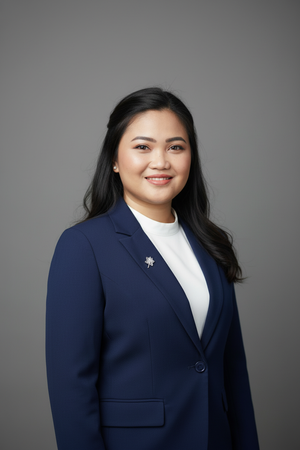


Five years ago, I had zero virtual assistant experience. No portfolio, no reviews, and a work-from-home salary that disappeared the moment it hit my account. If you want to learn **how to become a virtual assistant** from scratch, this is the honest truth.
Today, I'm an executive assistant and support specialist for a digital marketing agency and a SaaS company. People sometimes assume I had a shortcut. I didn't. I had five years of call center work, a few failed tries, and one month of non-stop Upwork proposals.
If you want to become a VA, this is the honest version of how I started. And if you're a business owner thinking of hiring one, it shows you what kind of VA I became along the way.
TL;DR / Quick Summary
- The Turning Point: Left a ₱19,000/month high-stress call center job during the pandemic and committed fully to freelancing.
- The Breakthrough: Submitted proposals on Upwork for a full month before landing my first $3/hr crypto moderation role on the graveyard shift.
- The Growth: Parlayed that into a $5/hr SaaS customer support contract at Shoeboxed, eventually scaling into billing, operations, and Executive Assistant work.
My first BPO job
My first call center job was in Alabang, on a UK bank account. Midshift, with training that ran until 1 AM. My trainer, Lorraine, told me I had potential. When you're that new, a line like that stays with you.
My body didn't agree. I wasn't used to late nights. After shift, I'd nap in the sleeping quarters and wait until 4 or 5 AM, when the US graveyard agents got out and the van filled up. I'd get home at 6 or 7 AM, sleep a few hours, and get ready to go back. The headaches got bad.
In the end, I went AWOL. Please don't copy that part. If you're struggling, talk to your TL or resign properly.
After that, I moved to Australian telco and insurance accounts. My calls were about subscriptions, payments, cancellations, refunds, and disputes. Later, I took logistics calls for Toll Express, now Team Global Express, chasing couriers and arranging redeliveries.
Why I wanted out
Call center work taught me a lot, but it also wore me down. I reached the point where I was crying in the CR.
Feedback is part of the job—until it becomes a daily occurrence that makes you question your own competence. Don't get me wrong, I value feedback. But day after day of non-stop coaching on things I was already doing right created a toxic loop. I knew I couldn't sustain that environment.
My first try, and getting ghosted
I first saw VA jobs on Facebook, with posts promising big pay. So while I was still an agent, I searched Google for platforms where I could apply. This was before ChatGPT, Claude, or Gemini, so there was no AI to ask. Just me, searching.
I'd find someone hiring, we'd talk on Skype, and then they'd disappear. Again and again. Back then, I couldn't land anything.
So I took the next best step. I moved to another call center, and there I got promoted to SME (subject matter expert) on an Australian telco account.
The pandemic push
My last BPO job was work-from-home during the pandemic. It sounds ideal, but the pay was ₱19,000 a month. I still lived with my parents and helped with the bills, and the bills took all of it.
When the VA posts showed up on my feed again, I didn't just scroll. I committed to Upwork. I looked at OnlineJobs.ph too, but the rates were very low, and some posts were scams or clients who didn't pay.
Then I told myself, bahala na. I was going to resign.
One month of proposals
It took a full month of proposals before anyone hired me. Some posts had more than 50 applicants for a single slot.
My first VA job paid $3 an hour, about ₱150 at the exchange rate back then. Not big. But it was a start, and it was mine.
My first VA job: crypto support at 10 PM
My first VA role was with Coin, a crypto app. I did content moderation and customer support on their social media, answering questions about payouts and how to get started with the app.
The hardest part was the schedule. PST graveyard, from around 10 or 11 PM to 6 AM Manila time. I was sleepy every night and had to fight it. Coffee was my sandalan.
I stayed because I was new and had nothing else lined up. It was my "yes to everything" era. When you're starting, you take what you can and prove yourself first.

Where it led
I kept applying even while I was at Coin. When Shoeboxed hired me at $5 an hour, I resigned from Coin. Going from $3 to $5 told me I was on the right track.
- First VA jobCoin
Social media moderation and crypto app support, on a PST graveyard shift.
- 2021–2026Shoeboxed
Customer support by email, chat, and phone in LiveAgent, plus receipt data entry that clients used for their taxes. My contract ended in 2026 after the business was sold and the new owner reduced the team.
- 2021Ikos
Customer support and property-tour scheduling for a real estate startup, until the company closed.
- LogisticsGTEX
The same delivery follow-ups I did at Toll, now as a VA for GT-EX, until the client reduced staff.
- SaaSSaaS support
50+ tickets a day at one company, Stripe disputes and refunds, and support work at SEOSpace.
- TodayExecutive Assistant
Executive Assistant and SEO Manager at a digital marketing agency, while studying Business Administration at Mapúa Malayan Digital College.
Notice how many of those ended for reasons that had nothing to do with my work? A business sale, a company closing, a team cut. That's VA life, and it's why I never rely on just one skill.
None of this would have happened if I'd waited until I felt ready.
Steps on how to become a virtual assistant from scratch
Here's what I'd tell you if you're where I was five years ago trying to figure out how to become a virtual assistant successfully.
Your old job counts
Handling upset customers and following a process is exactly what my first VA job needed. Call center, retail, admin: it all translates.
Expect to get ghosted
It happened to me more than once. It isn't a verdict on you. Keep applying.
Your first rate isn't your last
I started at $3 an hour. It went up once I had experience and reviews to show.
Protect yourself
Stick to platforms that feel safe, and walk away from anything that looks like a scam.
Don't rely on one client
Keep your profile updated and keep applying, even when you're busy.
You don't need to feel ready
I resigned on a "bahala na." You learn the most once you're actually doing the work.
Want to see how those call center skills carried over? I wrote about it in From Call Center to Virtual Assistant. And if you're curious about the actual apps and dashboards I use every day, check out the tools I use every day as a VA.
If you're a client reading this
This story is also the short answer to "what kind of VA is Rhiz?"
- I stay calm with upset customers. Years of refund, cancellation, and dispute calls made sure of that.
- I work on your clock. UK, AU, and a bit of US shifts. I'm based in the Philippines (UTC+8, same as Perth).
- I'm accurate under volume. 50+ tickets a day, and receipt data that clients filed taxes with.
- I stay through the hard parts. I kept going through ghosting, low first rates, and late-night shifts. I bring the same follow-through to your tasks.
-
Yes. I had zero VA experience when I started. What I had was five years of call center work, and those skills carried over: handling upset customers, following a process, and working other time zones.
-
It took me about one month of sending Upwork proposals. Some job posts had more than 50 applicants for one slot. So it depends on the client’s need. Sometimes, it takes weeks before they respond to your proposal; some respond immediately.
-
$3 an hour, about ₱150 at the exchange rate back then. My next client paid $5 an hour, about ₱250.
-
Upwork. I also checked OnlineJobs.ph, but the rates I saw there were very low, and some posts looked like scams. This is based on my experience.
-
Very. Billing calls, refunds, disputes, and night shifts prepared me for customer support, Stripe disputes, and covering a client's business hours from the Philippines.
Looking for an EA with proven support and operations chops?
Learn more about my background, or review my client feedback on Upwork.