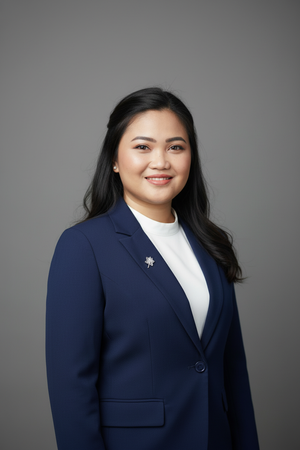


Before I ever sent an Upwork proposal, I spent five years in a call center, from 2016 to 2021. A UK bank account on midshift, then Australian telco and insurance accounts, then logistics calls for Toll Express during the pandemic.
In my first post, I shared how I became a virtual assistant with zero experience: the daily coaching, crying in the CR, and a ₱19,000 work-from-home salary that bills ate in full. Zero VA experience, yes. But looking back, I didn't start from zero at all. Halos lahat ng ginagawa ko ngayon as a VA and executive assistant, may ugat sa BPO.
So this post is for you if you're sitting in a call center right now, wondering if your experience counts for anything in remote work. It does. Here's exactly how.
TL;DR / Quick Summary
- The Transferable Advantage: BPO de-escalation, adherence to call flows, handling high ticket volume, and timezone discipline translate directly to VA support.
- The Self-Taught Shift: Remote work requires proactive client acquisition, multi-client management, and learning software suites without in-house trainers.
- The Strategic Step: Frame your call center achievements around business metrics (e.g., ticket resolution, customer retention, dispute wins) rather than just agent titles.
My BPO years at a glance
My first BPO job was in Alabang, on a financial account for a UK bank. Midshift, with training that ran until 1 AM. After that, I moved to Australian telco and insurance accounts, where my shifts started early in the morning.
On the telco account, my calls were about subscriptions, payments, cancellations, refunds, and disputes. Basically, the calls where people are already stressed before you even say hello. That's also where I got promoted to SME (subject matter expert).
My last BPO job was at Toll Global Express (now Team Global Express and GT-EX) in 2020, working from home during the pandemic. That was logistics: international and domestic deliveries, missing parcels, and a lot of follow-ups.
5 BPO lessons I still use every day as a VA
Upset customers aren't personal
Cancellations, refunds, and disputes taught me to stay calm when someone is frustrated with the company, not with me.
Now: I handle Stripe disputes and refund requests for SaaS clients. Listen, check the facts, give a clear answer.
Working on someone else's clock
UK midshifts, AU early mornings, then a PST graveyard shift for my first VA client. My body clock has seen it all.
Now: I list my timezone as Perth time (AWST, UTC+8), same as PH, and check in hourly for my part-time SaaS support role.
Follow a process, then notice when one is missing
Call centers run on call flows and procedures. After years inside them, you notice fast when a team doesn't have one.
Now: I write SOPs: a Zendesk SOP, support templates and docs at ZeroNet, and a monday.com SOP at ClearLead Digital.
Volume without losing accuracy
BPO teaches you to move fast. Remote work teaches you that fast means nothing if it's wrong.
Now: 50+ tickets a day at Walter Writes AI, and years of receipt data entry at Shoeboxed that clients used for their taxes.
Own the problem until it's solved
At Toll, I emailed couriers, updated tracking, resolved missing and short deliveries, and called receivers to arrange redeliveries.
Now: I did the exact same work as a VA for GTEX. Same tasks, same follow-ups, just from home.
Going from call center agent to VA wasn't a career change for me. It was the same skills in a new setup.
What the call center didn't prepare me for
To be fair, BPO didn't teach me everything. Here's what I had to learn on my own.
Finding clients myself
In BPO, the account comes to you. My first try at VA work ended in ghosting. The second time, it took a month of Upwork proposals, on jobs with 50+ applicants for one slot.
Not relying on one client
I've lost roles to a business being sold, a startup closing, and a client cutting staff. None of it was about my work, and none of it was in my control.
Learning tools without a trainer
Zendesk, Front, LiveAgent, Crisp, Intercom, GoHighLevel, Stripe, Recurly. Each one has its own quirks, and there's no trainer sitting beside you.
Talking to the tech team directly
Instead of filing tickets in a big system, I report issues straight to developers and keep everything consolidated in Google Docs so nothing gets lost.
My path after the call center
- 2020Toll Global Express
My last BPO job. Logistics support, working from home during the pandemic.
- First VA jobCoin
Content moderation and customer support for a crypto app's social media, on a PST graveyard shift. Coffee was my sandalan.
- 2021–2026Shoeboxed
Customer support by email, chat, and phone in LiveAgent, plus data entry for a receipt-scanning company. On the side in 2021: support and property-tour scheduling for Ikos, a real estate startup.
- Logistics, againGTEX
The same delivery follow-ups I did at Toll, this time as a VA.
- SaaSWalter Writes AI · ZeroNet · SEOSpace
SaaS customer support, Stripe disputes, Zendesk process work, and part-time VA support.
- TodayClearLead Digital
Executive Assistant and SEO Manager at a digital marketing agency for property management companies.
Along the way, I also went back to school. I'm taking BS Business Administration at Mapúa Malayan Digital College, fully online, while working with clients.

If you're in BPO now and thinking of going VA
Start by translating what you already do into words clients understand.
Then:
- Learn one support tool well. Zendesk is a good start because so many SaaS companies use it. Short courses on Coursera and Udemy can fill gaps fast. Check out the tools I use every day as a VA for my full breakdown.
- Find a community. Erin Booth runs a free community on Skool that's a good place to learn the VA side of things.
- Set up your Upwork profile. Lead with your BPO results, not just your job title. Upwork is where I got my first client, and it felt safer than the other platforms I tried.
- Be honest about your hours. Know which shift you can sustain long-term before you promise it to a client.
Final thoughts
Five years in a call center gave me patience, a body clock that works across time zones, respect for process, and the habit of seeing a problem through. Hindi siya sayang. It's the foundation of everything I do now as a VA and executive assistant.
-
Yes. Call center work builds skills clients pay VAs for: handling upset customers, working from processes, managing high volume accurately, and covering AU or US business hours from the Philippines. The key is describing those skills in client language on your profile.
-
Customer support, ticket and inbox management, refund and payment dispute handling, order and logistics follow-ups, and appointment scheduling are natural fits, since they use the same skills as BPO calls. Your soft skills matter.
-
Usually, yes. Many remote clients use helpdesk tools like Zendesk, Front, or Intercom, and payment tools like Stripe. Learning one helpdesk tool well and taking short online courses can help you get started. We also CRM this in the BPO industry.
-
Yes. Many Filipino VAs cover AU or US business hours, just like in BPO. Before accepting a client, be honest about which shift you can sustain long-term.
-
In BPO, the account and training come to you. As a freelance VA, you find your own clients, juggle more than one at a time, and often learn new tools on your own.
Looking for an EA with proven support and operations chops?
Learn more about my background, or review my client feedback on Upwork.